
Confirmed for this version
Know the constraints before you commit
- What carries forward
- Your knowledge
Treat the saved value as execution confidence, not account rewards.
S1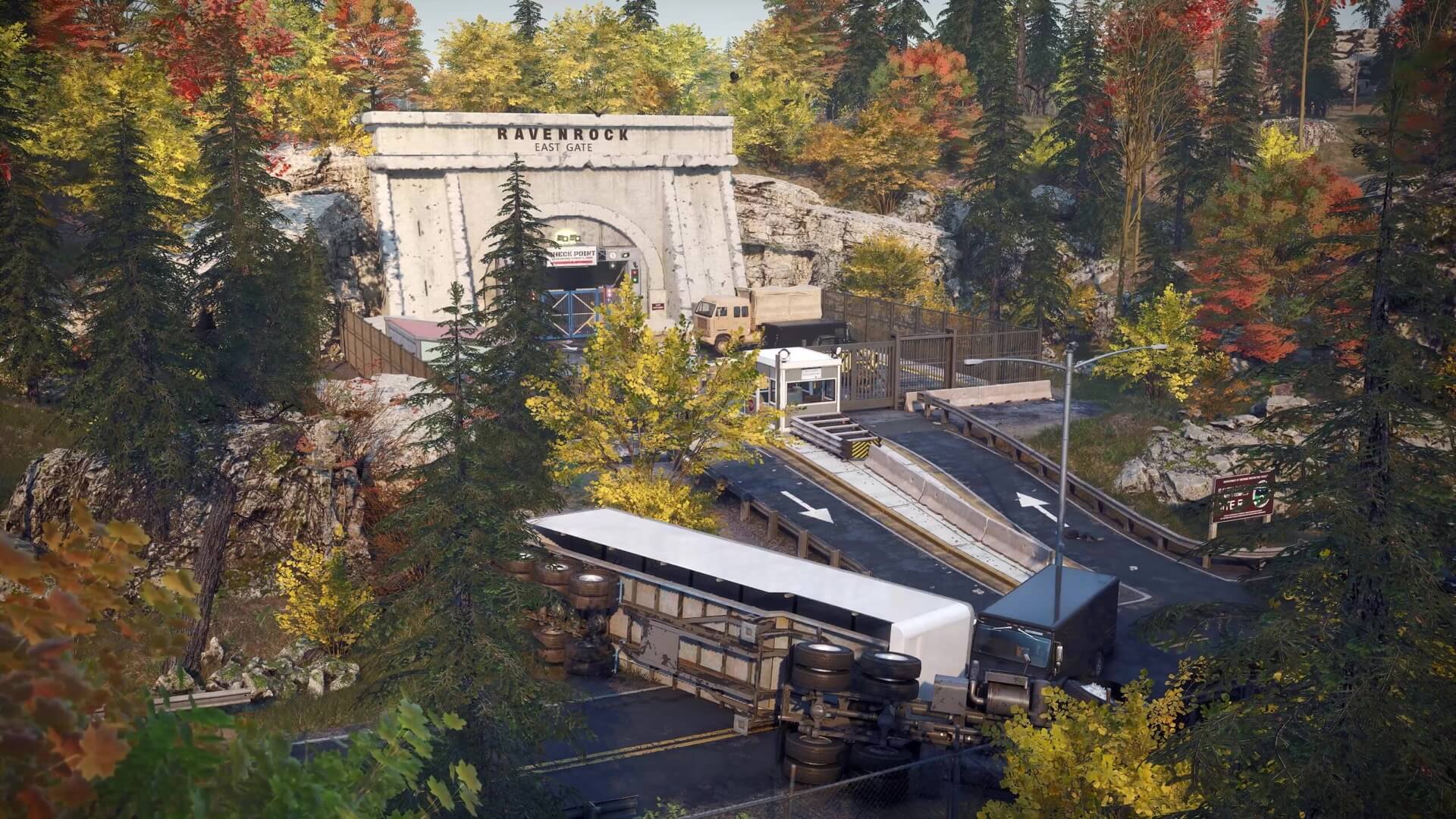 Official game image
Operational sequence
What to do in a live run
- 01Step 1
Pick one learning question
Examples: identify the first major objective, test an interaction, or trace the nearest safe exit. A focused run gives you a repeatable answer instead of vague map familiarity.
Field advice - 02Step 2
Mark transitions with visible landmarks
Remember the route as transitions between recognizable spaces rather than a chain of turns. That survives pressure better when the same route becomes crowded in co-op.
Field advice - 03Step 3
Test recovery decisions safely
Use the zero-permadeath setting to see what happens when you stop for an interaction, fight in a narrow lane, or backtrack toward an exit. Then take the safer timing into co-op.
Official notes + field adviceS1 - 04Step 4
Leave with a short squad callout
Write down one route cue and one danger cue in your own words. “Meet at the landmark before the next objective” is more useful to a squad than a private mental map.
Field advice
Brief 01
What Solo removes
Official 1.0 notes describe Solo as a mode without traditional progression or permadeath risk. Do not expect it to level a co-op Responder.
Brief 02
Best uses
Practice interaction timing, study objective landmarks and test escape routes before committing a developed character to public matchmaking.
Before commitment
Run checklist
- Identify the next major objective and nearest exit.
- Test interactions without risking a developed Responder.
- Repeat one route until landmarks are reliable.
Decision support
Situation → action
| Situation | Action | Why |
|---|---|---|
| Need to understand a map or objective | Run Solo first | It removes traditional progression and permadeath pressure while you learn. |
| Want account or character rewards | Use co-op instead | Official notes say Solo does not use traditional progression. |
| Testing a risky interaction or route | Repeat it in Solo, then simplify it for co-op | The useful output is a safer repeatable call, not a one-off stunt. |
FAQ / practical answers
Questions players ask before the next run
Does Solo give traditional progression?
No. Official Armageddon notes state that Solo does not have traditional progression.
Can I permanently lose a Responder in Solo?
No. Official 1.0 notes describe Solo as having zero permadeath risk.
Is Solo only for beginners?
No. It is useful whenever you need to rehearse a route, objective or combat interaction without a progression stake.
What should I practice first in Solo?
Choose one Objective route and learn its major transitions and exit direction. The goal is a reliable team callout, not a perfect speedrun.
Does Solo replace a co-op warm-up?
It replaces the map-risk part of practice, not the communication part. Move to Beginner co-op when you need to practice squad timing and callouts.
Updated for the version shown above. Open the sources panel for the related game notes.